Albania 2015 – just the best bits

8 Aug

I have recently returned from my other reality, aka Albania, where I have a different name, a different language, different clothes (well it is 20 degrees hotter) and to some extent a different personality. I was going to blog about how strange it is to suddenly be bad at things that you are usually good at – things like baking, dancing and writing, in my case – because you’re in a different culture where all the rules are changed.

However, I feel like I have encountered quite enough negativity recently, with people talking down Albania, or Scotland, or just generally moaning about how hard life is, so I don’t want to add to it. However hard life is, and whatever problems there are in both my countries, I had a fantastic month, so I will choose the share the best parts. If that makes you nauseous, look away now.

1. I went to a museum in Lushnjë where I was the only person there, so I got a personal guided tour, and unlike most museums where you are told very firmly not to touch, this museum positively encourages you to! I was handed a two-and-a-half-thousand-year-old perfume pot (which I took extreme care not to drop) as if it were just a mug of coffee, and the tour guide passed me an 18th century sword to hold while he took a phone call. For a history nut like me, it was amazing!

IMG_20150712_110556768

Look at the colour of that sea!

2. The sea was beautiful, and so different from the North Sea and the Atlantic that I grew up with. It’s so clear you can see the tiny fish, and it’s warm (or no colder than cool, at worst) so you can get right in there without fear of losing a toe to frostbite. My eyes are the colour of the sea and, bizarrely, while they are North Sea blue-grey here in Scotland, they were Mediterranean blue-green the entire time I was in Albania.

3. Being outdoors so much was great. I like being outdoors in Scotland, too, but there are not that many days you can do it without suffering from mild exposure, if not from the temperature then from the wind. In Albania (and Greece) we ate outside (breakfast, lunch and supper), socialised outside, went to outdoor bars, and I even slept outside, on the balcony outside my room, when the temperature got a bit too ridiculous. Waking up to blue sky and swallows overhead sets you up for a great day.

IMG_20150726_230541762

My bed on the balcony

4. My husband gets irritated by this one, but I love being mistaken for an Albanian! I talk with an accent of course, but millions of Albanians live abroad, so they pick up accents too. Sometimes people have a little debate in front of me about whether I’m foreign or not! It’s very funny, and quite reassuring when I have an Albanian exam coming up later this year.

5. I enjoyed bonding with my mother-in-law over telenovele, the überdramatic soap operas they show in Albania. They used to be mainly from South America, but now there’s a glut of Turkish ones, which are a bit more serious, and very good. The latest was Diamantë dhe Dashuri (Diamonds and Love). There’s lots of mortal peril and complicated love triangles / hexagons, and I am happy to throw myself right in there for as long as I’m staying. They also don’t go on forever, like British soap operas, so you’re not in danger of losing your whole life to them.

6. I also enjoyed dressing up. This can be a hassle if you’re not in the right mood, but I was on holiday so I was very happy to only take my prettiest clothes, and then to wear all the new pretty clothes that my mother-in-law had collected for me too. Most of the time in Britain I slob around in jeans and a t-shirt, so it’s fun to take a break from that and wear heels and dresses. I didn’t wear trousers for the entire holiday, and it was with great reluctance that I put them back on for the flight home.

7. The ice cream was so cheap! Lots of things are cheaper in Albania, but ice cream is so expensive here in Britain that it’s really noticeable. In Albania it ranged from about 30p for a cheap one to £1.30 for an individual tub of Skandal, the equivalent of Häagen Dazs. My young nieces, who accompanied me for the first part of the holiday, weren’t used to the heat so I insisted that we stabilised their temperature with regular applications of ice cream. They didn’t seem to mind.

8. Catching up with friends was a highlight – and not just friends in Albania, but those in Greece and Italy too! Because almost everyone in Albania has relatives abroad, standard mobile phone packages include overseas minutes. For about £8 for the whole month I got hundreds of minutes to Europe, as well as huge amounts of data and messages. Not bad.

9. This one is from Greece rather than Albania. I stayed in a hotel with a pool on my way back, since I had to spend a night in Corfu. (It was the Anita, in case you’re interested, and it’s very good and extremely friendly, though not as handy for the airport as the Arion.) One of my favourite memories is standing up to my neck in the pool, alone, watching brightly coloured dragonflies playing over the water. Idyllic.

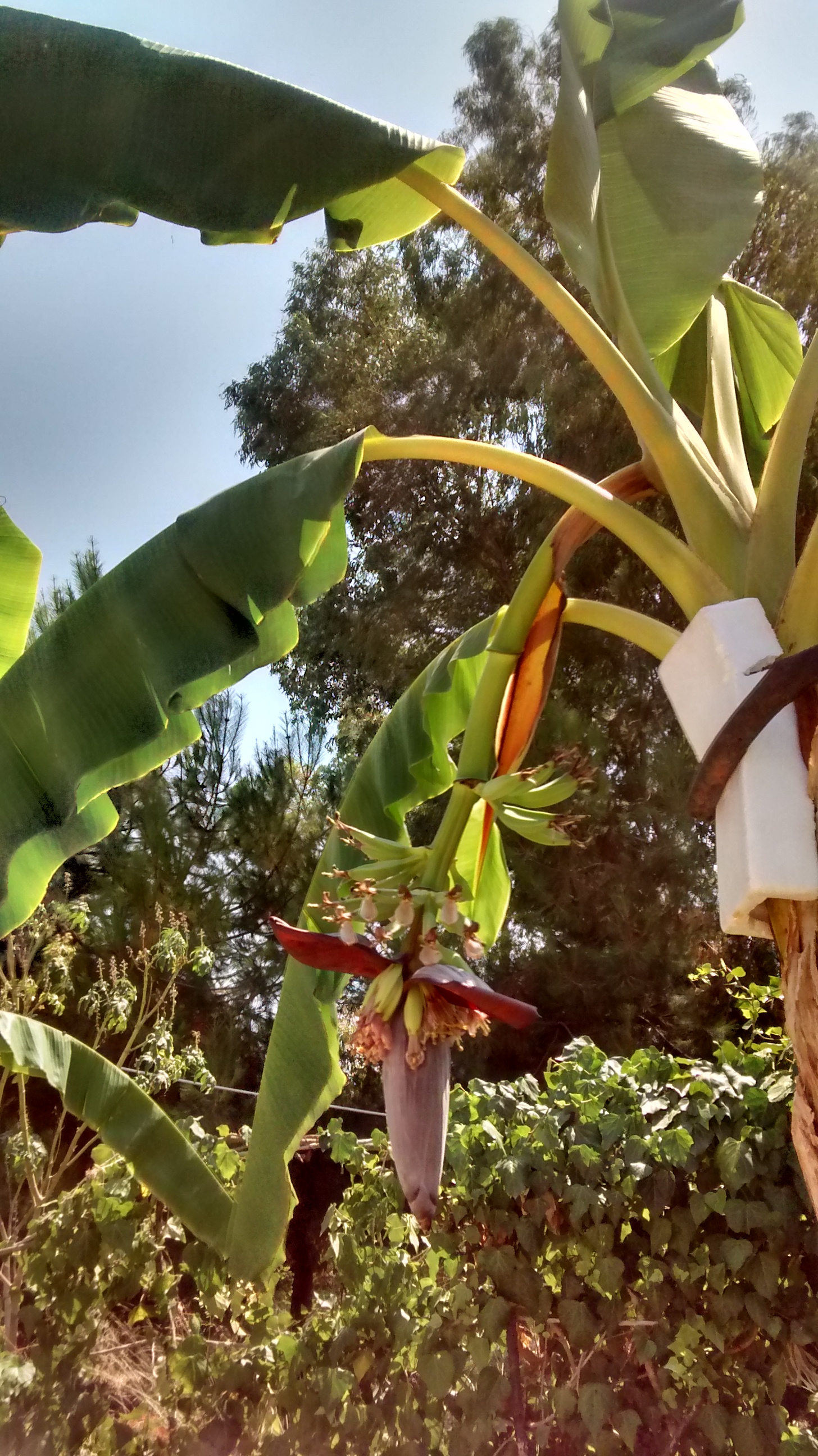
Sunny enough for bananas!

Sunny enough for bananas!

10. Sunshine. Sorry, but it has to be said. In Scotland we throw ourselves onto the nearest patch of grass whenever the sun comes out, because who knows how long it will last? In Albania you can predict that it will last roughly from the start of May to the end of September. It was sunny every day, it was hot every day, it was cloudless all but two days. It was paradise.

My mother-in-law will hopefully be visiting in October, her first time in Scotland, so it will be interesting to get her perspective. Maybe she will see wonderful things that I don’t notice because I’m so used to them. I have a nasty feeling that she won’t like it at all, actually, but until she casts her verdict – let’s stay positive. 🙂

The Ten Minute Guide to Augustine

22 Jun

If you pick up a copy of the July edition of Premier Christianity Magazine, and flick towards the back, you will find my ten-minute guide to St Augustine, entitled “The Restless Heart“. With a book (currently on offer at three for a tenner at 10ofthose.com) and an article on Augustine, I now appear to be a world authority 😉

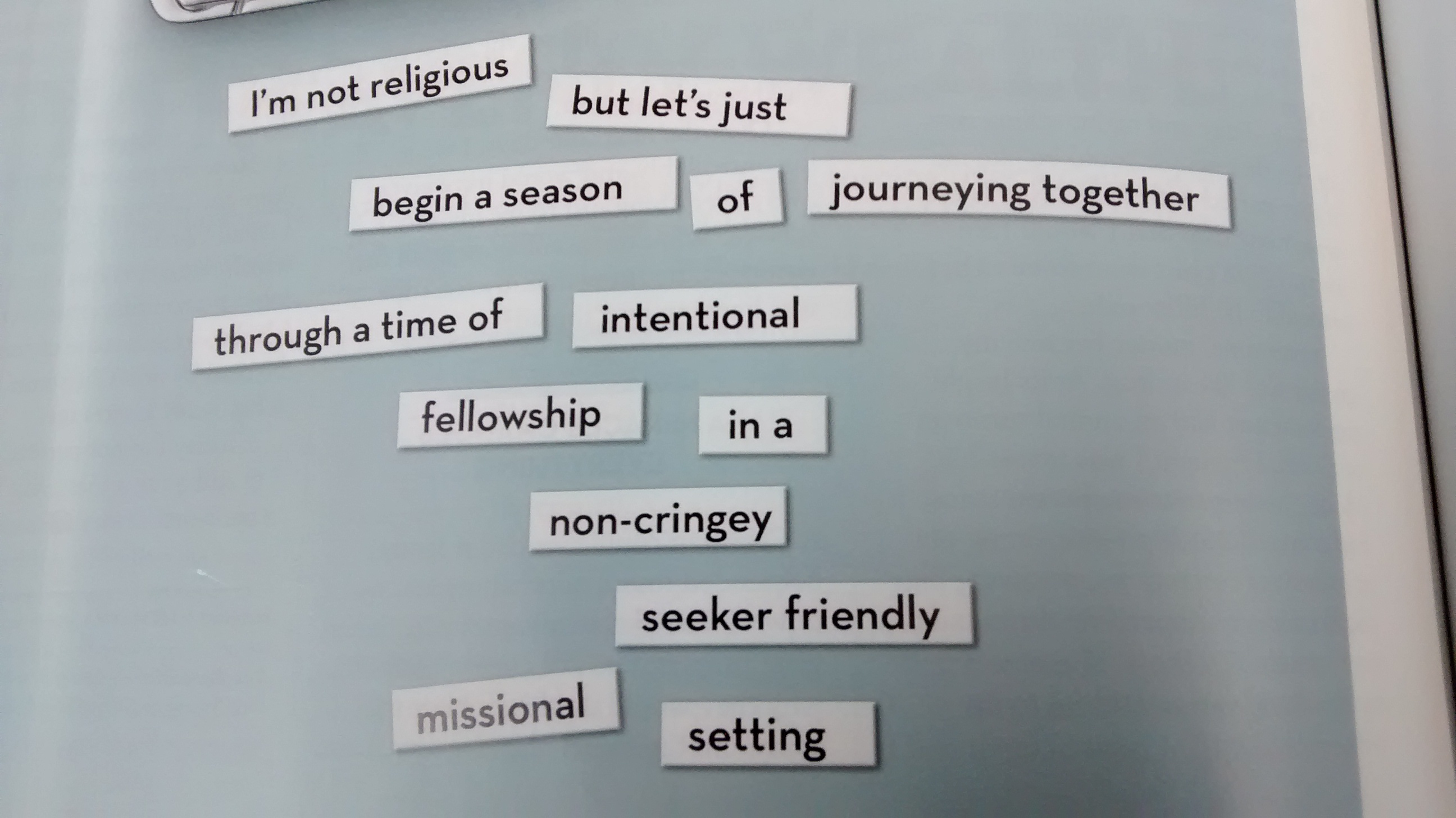
Christianity Magazine is usually a good read, even when it doesn’t feature my wonderful work, and I would recommend it. Below is a graphic from their article on Christian jargon, also in the July edition. It made me laugh, and I hope it does you, too.

jargon

Coffee Quest

26 May

coffee quest

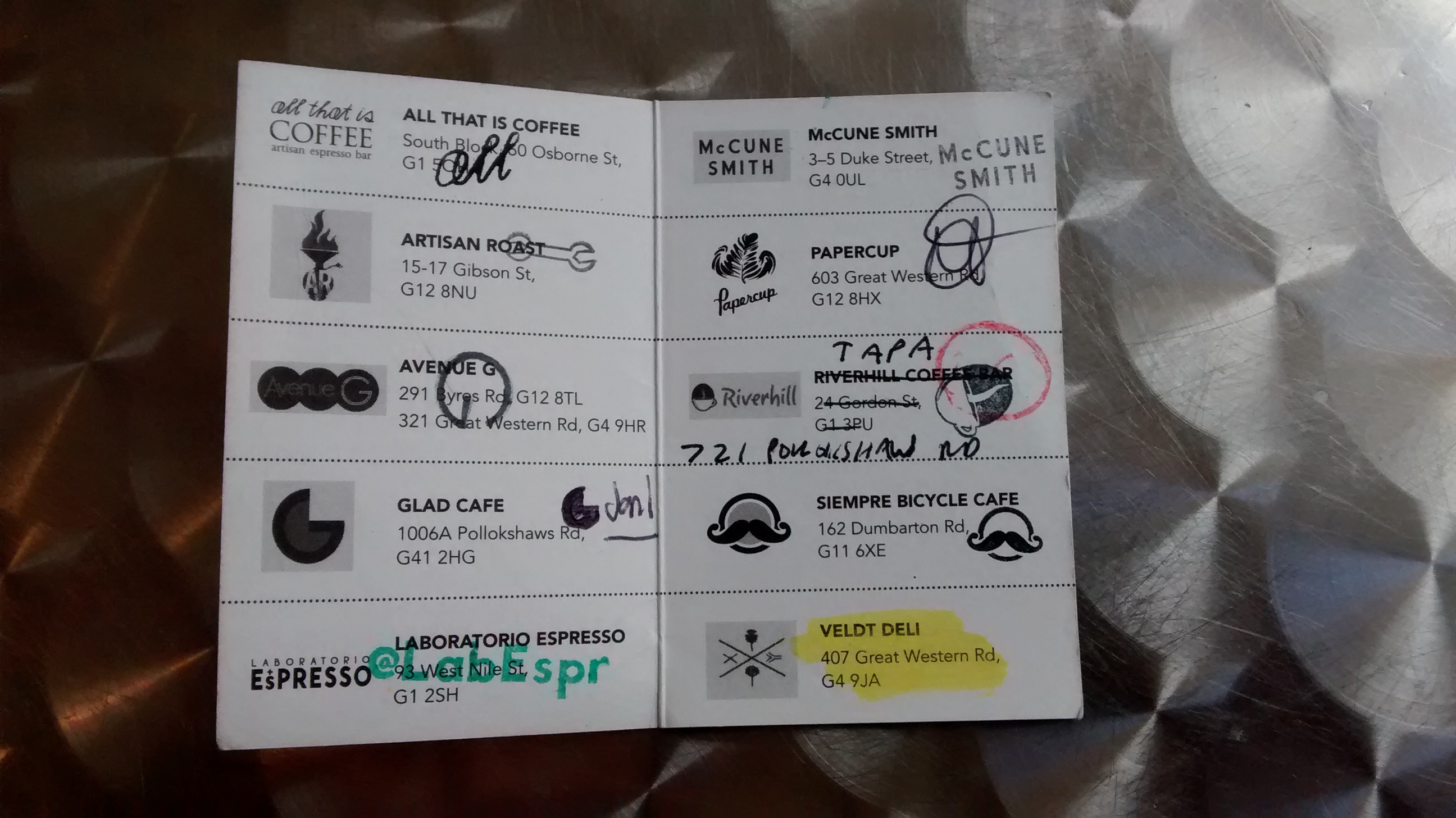
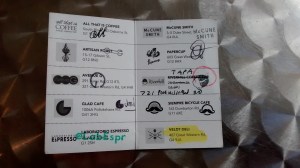
I have just completed a small but quite satisfying quest, which took me all over Glasgow. A month or two ago I was having coffee with a friend in the Glad Cafe, near where I live on the south side of Glasgow, and I saw some little loyalty cards. Never one to pass up the chance of something free, I picked one up and discovered that it wasn’t for the Glad Cafe itself, but for ten different independent coffee shops, all of which use Dear Green coffee, roasted in Glasgow.

People who succeed in collecting stamps from all ten are entitled to claim a free coffee at any of the cafes on the list, but it would clearly involve a lot of effort. At this point I suppose people either shrug and put the card back, or decide to go for it. I chose to take up the challenge, and my not particularly hazardous quest was born. I discovered some gems, had some less positive experiences, and drank a lot of curdled soya milk. Here are my impressions in order of visit:

Glad Cafe

Where it all started, and a place I’m very familiar with. Situated on Pollokshaws Road, opposite Queens Park, ‘The Glad’ serves decent coffee and great cake, but the service is sometimes slow. It’s a bit of an arts and music venue on the side, and rather “right on”, but not too aggressively. I like it, and often pop in just to get a loaf of the gorgeous Crossmyloof bread to take away. This is actually the most far-flung of all the cafes on the list, from the city centre at least, so it was handy that it’s one of my locals.

Laboratorio Espresso

A wee gem hidden away on West Nile Street, behind Forever 21. It is very Italian in the best way. It reminded me a little of the coffee shop where my Italian niece works, where men drop by in the morning to have their espresso in two gulps before going to work. I had an espresso and it was perfect, not bitter at all. There were little Italian snacklets to buy, just the right size to accompany an espresso, and newspapers lying about to read. My favourite of the new cafes I tried, and the one I now keep recommending to people.

Avenue G

In the west end to do some research at Glasgow University library, and just a little too hungry to wait for lunch, I took the opportunity to tick another coffee shop off my list. I had an americano (I think – I didn’t take notes) and a slice of carrot cake that came with a deliciously boozy chocolate sauce. The place was stuffed but I was pointed to a seat on their tiny balcony. It’s easy to see why it’s so popular. The coffee was good, the cake was good, the service was too, and the place smelt of bacon and chocolate – a wonderful brunch time aroma. I was at the branch on Byres Road, but they also have one on Great Western Road.

Papercup

It was at this point that I started making an effort to work through the list instead of just relying on happenstance, which could take a lifetime. I arranged with my friend Ann to take a trip to the West End on what turned out to be a horrific day of weather. Papercup is on Great Western Road, not too far from Kelvinbridge underground. It is very far from Gartnavel, where we ended up walking to afterwards, but that’s another story. Papercup wasn’t really worth the effort, I’m afraid. The stripped back look has been taken so far that you would think the place was derelict if there hadn’t been staff at the counter. They had some nice little cakes and colourful macaroons, but the coffee was only ok, and I think this was one of the places where the soya milk curdled, making the coffee taste black when I take it white. I don’t think I’ll be back.

Tapa

Anyone who has scrolled down will realise that there are 11 coffee shops on this list, not ten, and this relates to the scribbled out entry on the loyalty card. I got it into my head that Riverhill Coffee Bar was directly opposite Central Station, and when I didn’t see it there, assumed it had closed. In fact it’s a block further along Gordon Street, and has been open all the time, but labouring under this misapprehension, and sad that I wouldn’t be able to complete my card, I decided to substitute another independent coffee shop I been meaning to go to.

I have often passed Tapa on the bus and seen its claim to have “the best coffee on Glasgow by a country mile” so one pleasant day I walked down beyond Queens Park to try it out. The claim is a bit exaggerated, but the coffee was good, and there was a wide choice. I had a cafetiere of something interesting and wondered why I had never been before. It’s not that far from where I live.

Riverhill Coffee Bar

Of course, immediately after scoring it off the list, I discovered the real location of Riverhill. In need of a quick coffee, I popped in and discovered that at least one of my friends already knew about it, since he was sitting on one of the few available chairs. (This is a bit of a theme with the independent cafes – not much seating at all.) I had an espresso and a nice crackly biscuit, but nearly got charged for something completely different by the friendly guy on the till. Paying when you order might be safer. The coffee and biscuit were good, but I did feel a little cramped, and certainly couldn’t have done much work on my laptop there. Even so, I’m glad it’s not really closed.

McCune Smith

Off to the east end for the next one, with a friend who lives round the corner from this cafe but had never been. Another horrible day, raining sideways, but it was good to go back to my old stomping ground and see how much the High Street area has been improved. There was some great graffiti art covering the whole sides of buildings, and I would have taken some pictures, but I wanted to get out of the rain.

McCune Smith is a strange place, like a cross between an eighteenth century coffee house and the tenement flat of someone you don’t know very well. A trip to the toilet involved going through an unmarked door and then choosing between a further three unmarked doors. It also charges west end prices in an east end location, which was a surprise, and shows how much the area is going up. The coffee was good (though the soya milk curdled) and there was a good choice on the menu. The staff were extremely helpful, even swiping my Swiipi card for me, repeatedly, when it wouldn’t work.

Dr James McCune Smith, by the way, was the first black man to study medicine at the University of Glasgow, back when it used to be located near High Street, so I learnt something while I was there.

Siempre Bicycle Cafe

The low point of my quest. I’m glad I didn’t make a special trip to this cafe on Dumbarton Road, because it would have added to my annoyance. Instead, I just popped in on my way to a friend’s house, and ordered an espresso – but didn’t drink it. It was that bad. I took two sips, and the second was only to confirm that it really was as bad as all that. All the seating was at long benches, which isn’t great if you’re not feeling sociable, and the place is covered in bikes, bits of bikes, and books about bikes. I don’t like bikes (nasty accident as a child) and I don’t like bad coffee. I won’t be back.

Artisan Roast
image

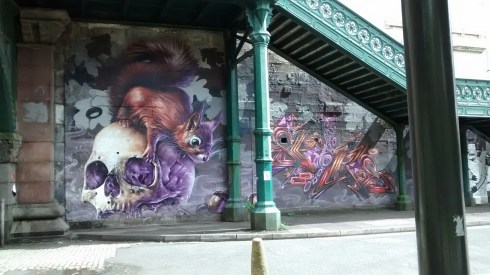
The end was in sight now, so I arranged with a west end friend to try out this cool student dive on Gibson Street. (There was cool graffiti on the way once again, and this time I did stop to take a photo.) The ambience was great, with quirky tables and nice little nooks, and cushions made out of coffee sacks. In fact, all the coffee-related stuff made me think I might be in for a treat. I asked for a recommendation, took it, and didn’t baulk at the somewhat elevated price. However, the service was very slow (my friend had to chase hers up and still didn’t get it for a good 15 minutes) and the coffee, when it came, was rather bitter and served in a glass jug. Maybe that fits nicely with the quirkiness, but it’s a terrible way to serve coffee. Cafetiere to cold jug, jug to cold cup, and my coffee was tepid before I even started it, and stone cold long before the end. Cool coffee is not cool, Artisan Roast – not in my book, anyway.

All That Is Coffee

Another dud , I’m afraid. This cafe is in the achingly hip bit of central Glasgow behind Argyle Street, where if you throw a music technician he’ll probably hit a graphic design studio. It is based in a…something. I couldn’t really tell what it was or did, even after bypassing security and wandering round the building in search of the toilet. The building plan was full of cool and ironic non-literal descriptions, so that was no help. My best guess is that it’s some kind of design college, but who knows? It’s that kind of area, even the shops won’t say what they’re selling. If you have to ask, you’re not hip enough.

Normally I would feel very out of place, but in fact I had just bought new, bright blue over-ear headphones so I put them on like armour and listened to OMD – unironically.

As for the coffee, it was OK, but when I asked for a recommendation the woman looked at me as if I was mad and said, “I don’t know how you like your coffee.” Not confidence-inspiring. I had had enough of curdled soya milk, and it was 40p extra anyway (Really ? These days?) so I helped myself from the communal milk jug, examined the design work (Earrings the size of golf balls, made of unworked ores. Why?), listened to my music and got out of there, retreating to the cool-but-not-confusing Parnie Street by way of Mr Ben’s vintage clothing shop.

Veldt Deli

Last one! And a good one. Ann, who should get at least half a free coffee for her efforts, came with me again to Great Western Road, this time the other side of Kelvinbridge, to try out this South African themed cafe. The decor is stripped back but not excessively, and although there was one big bench, there were also a couple of tables. There was South African food on the menu and on the shelves to take home. I had an unpronounceable type of pasty and a lovely coconut and vanilla cake. The coffee was good, the soya only very slightly uncooperative, and the prices were reasonable too.

I don’t know if I’m the only one who has ever finished this coffee quest, but there some confusion at Veldt about the free coffee, whether it was the tenth one or the one after the tenth. The wording on the card seemed to imply the latter so I chose to return to my favourite for another espresso at the Laboratorio. It was very strong, but still good, and there was just room to squeeze in me and my multi-lingual friends for a confusing conversation about comparative grammar. ‘Cause that’s just how I roll.

So if you’re looking for a new coffee shop, here they are in order from best to worst. But don’t take my word for it, pick up a card and go questing yourself.

  1. Laboratorio Espresso
  2. Avenue G
  3. Glad Cafe
  4. Riverhill
  5. Tapa
  6. McCune Smith
  7. Veldt Deli
  8. Papercup
  9. Artisan Roast
  10. All That Is Coffee
  11. Siempre Bicycle Cafe

The Fringe Benefits of Christianity

12 Apr

As I stood gabbing in church yesterday, as I do each Sunday after the service, my thoughts turned to how very convenient and helpful it often is to be a churchgoer. What had brought it to mind was my need to get some photocopies certified by a “suitable person” in order to open what is apparently the most security-conscious ISA in the world. Suitable people, by their definition, include ministers of religion and doctors. Naturally our church has a minister of religion, and for some reason we have more healthcare professionals than the nearest hospital, so it wasn’t a problem.

I started to wonder, though, how much more difficult it would have been if I didn’t attend a church. I mean, it’s one thing if you live in a nice middle class area peopled by doctors and teachers , or your social circle is packed with civil servants and lawyers, but what if that’s not true of you, and you don’t have a church? Obviously it’s still possible – we don’t live in a society segregated by class or wealth a la In Time, but surely it most be more of a hassle? Then I got to watching the little children tearing round the church as if they owned the place, which in a sense they do, and thought that maybe my childhood would have been poorer without that, too.

So here is my list the benefits of Christianity, apart from the obvious, intrinsic ones.* Some of these will apply to other religions and / or clubs and societies; this isn’t a competition, just some of the handy things I have noticed in my many years as a practising Christian. (And yes, being a practising Christian does necessitate going to church, unless you live on a desert island or North Korea or the like. You can’t be part of the Body of Christ on your own.)

* For the avoidance of doubt, the obvious, intrinsic benefits of Christianity are the salvation of your soul, the forgiveness of your sins, a relationship with God and so on.

Signing documents

As above. Churches are supposed to be the best places in Britain for social integration, providing an opportunity for members to meet and become friends with people of different social classes or ethnic backgrounds. So if you need a doctor or teacher to sign your passport form, you’ll probably find one there, along with the obligatory minister of religion.

Making friends

It can be extremely hard to make friends in modern, western society. It’s fine at school and university, but after that opportunities are a bit more limited. You’ve got work, of course (although I work from home, so that’s out) and maybe the gym or choir or whatever else you’re into, but it can take a long time to make real friendships. You can’t do the five-year-old “let’s be friends!” thing. You’ve got to invite the other person for coffee or similar, and then actually find the time to do it, before you can move tentatively up the friendship ladder until you’re in and out of each other’s homes and laughing about shared jokes. Then, if you move home, you’ve got to do it all again.

If you go to church, you have a ready made pseudo-friendship group (well we have to be nice to each other – it’s in the Bible), and one where it’s very easy and natural to develop real friendships. Of course, some churches are friendlier than others, but they all have times when you can all meet up (Sunday services) as well as, usually, mid-week meetings of smaller groups. If you’re in a small group with someone you get on with, you’ve already had coffee together several times, and got to know a fair bit about each other, before either of you has to make the first move to arrange to do something socially. (As you can imagine, the same principle applies to dating, too. In fact, people have been known to go to church just to get a girlfriend, St Augustine included. That is not a recommendation.)

I have lived in lots of different places, in the UK and Albania, and my life would have been vastly more lonely if I hadn’t been able to find a group of people to hang around with, from the very first Sunday. I have fond memories of kafe dhe llafe (coffee and chat) after church at Guri i Themellit in Tirana, and most of the people I know in Lushnje that I’m not related to (and some that I am) are from the church Kisha e Dishepuejve – including my husband, whom I met there.

There is a problem with Christians having only or mostly Christian friends. It can give you a rather cushioned view of the world, if you’ll excuse the mixed metaphor, and making friends outside church is something Christians should work at. But I would respectfully submit that a good part of the problem is not insularity, but the sheer ease of making friends within the church rather than outwith.

Freedom for kids

I haven’t been a child for a long time, so I could be wrong about this, but I can’t think of many places where kids can socialise in a large building (church, church hall, graveyard) with a number of kindly adults keeping one eye out for their welfare, but basically letting them get on with it. Most of the adults that kids have contact with are either related to them, or being paid to spend time with them. Given the kind of news stories we’ve had so much of recently, you could be forgiven for thinking that’s because everyone else is a paedophile. I just think it must be healthy for kids to have social contact with normal adults in a non-professional setting.

I think it’s also probably good for their self-esteem and sense of responsibility to be part of a community that goes from birth right up to old age (the oldest lady in our church is well into her nineties). The children sometimes take part in services or do a Christmas play, and are a real part of the church. Their talents are encouraged and their efforts are praised. All that probably makes it easier for someone to turn into a well-adjusted, responsible citizen later on.

Freedom from kids

The other side of it is that kids tend to disappear to Sunday school for at least part of the service, giving their parents some much-needed time off – although they do have to spend it singing and listening to a sermon, like it or not.

Music practice

And not just music practice, but tech practice, public speaking practice, childcare practice and so on. There are lots of activities to get involved with at a church, because everything in the church that isn’t done by the paid staff (usually only the minister) is done by the people who attend. Yes, some of it may be a chore, but some of it presents excellent opportunities. When else, apart from in a school, are you going to get the chance to perform on your musical instrument regularly, in a group of other musicians, even if you’re not yet of professional quality? Where will the nervous newbie to public speaking have the chance to perform readings or short talks to a fairly supportive audience? Where will you get the chance to be trained (for free) on a sound desk or projection system? There may be other places, but church is certainly one of them.

Elder care

Opportunities for socialising can be particularly difficult to come by if you’re elderly, especially if you don’t keep well or are unsteady on your legs. Church is a great place to mix with people other than your own family, but it’s also a place where people will go out of their way to help you socialise – or at least, my church is, and I assume most others do the same. People will arrange lifts to help you get to church, check up on you if you don’t show up for a while, and even visit you in hospital. Even if it’s only the pastor visiting because it’s his job, it’s a good remedy for isolation. If you’re planning to be old and infirm, it’s probably a good idea to join a church before you do so.

Understanding literature

One that’s dear to my heart, although I realise that not everyone will consider this an important fringe benefit of Christianity: a background in the Bible, gleaned from many sermons as well as private study, will help you to understand references in older literature – and there are tonnes of them! Writers like Dickens and Trollope would throw in biblical quotes and allusions without ever pointing them out or explaining them, because in those days every educated person in Britain, and most uneducated ones, had at least an acquaintance with the teachings and stories of Christianity. Even into the early twentieth century, novelists, short story writers and poets would pepper their work with Christian references, ironically or otherwise, and just expect people to keep up.

These days, when most people in the UK do not have a working knowledge of Christianity (as evidenced by this particularly egregious piece of drivel, saying both that Jesus did not exist and that his bones have been found), these references can pass by uncomprehended or even unnoticed, which robs the works of some of their richness. If you’ve spent your formative years in a church, you’re much more likely both to pick up on them and to understand the point the writer is making. Of course, that doesn’t help you at all with the fact that nineteenth-century writers also had a tendency to throw in lines in Latin or French without translating them. Sorry about that.

None of this is intended to be an advertisement, by the way. Naturally I would heartily recommend faith in Christ to anyone, but due to his being the way (to heaven), the truth (about everything) and the life (to the full) rather than for the reasons listed above. However, if you are a churchgoer, maybe these will give you reason to be even more grateful. And if you have got out of the habit – maybe you should get back into it.

Neologophilia (or, the joy of made-up words)

26 Mar
IMG_20150322_152116036

Barter Books

Last weekend I experienced the pure joy that is Barter Books in Alnwick. (Pronounced ANNick, apparently. Never teach your child to read using British place names.) It is an old station complete with buffet and waiting room, all converted into a massive second hand bookshop. There are open fires, toy trains, snatches of poetry stuck up in odd places. It is a wonderful place to spend a few hours. It is also a wonderful place to contemplate the lovely word “vellichor”.

Vellichor is from The Dictionary of Obscure Sorrows, and has a very specific definition, which I will give in full:

the strange wistfulness of used bookstores, which are somehow infused with the passage of time—filled with thousands of old books you’ll never have time to read, each of which is itself locked in its own era, bound and dated and papered over like an old room the author abandoned years ago, a hidden annex littered with thoughts left just as they were on the day they were captured.

It’s obviously related to petrichor, the smell the earth gives off when it rains after a dry spell. It’s not too much of a stretch to get from the smell of vellum (ok, books are made of paper these days, but you get the idea) to the feelings it conjurs up in you. (I, in fact, don’t feel melancholy in old bookshops. Vellichor to me smells like endless exciting possibilities, the widening of horizons. But that’s beside the point.)

Vellichor and petrichor are both, of course, made-up words. Petrichor was invented in the 1960s, vellichor much more recently. Calling them made-up words sounds dismissive, as if they were less than real words. In fact, of course, all words were made up to start with. Usually not from scratch – there are prefixes, suffixes and roots enough to keep us all happily neologising for decades. I made up the title of this post, then a quick web search showed me that plenty of other people had beaten me to it. (One of them said “This is a Latin word I’ve made up.” Spot the deliberate mistake, those who care about that sort of thing.)

Then there’s the verbing of nouns (whatever your view on the acceptibility of it) and the reverse and so on. There are acronyms (laser) and words made out of people’s names (lynch) and ‘borrowings’ from other languages (although we never give them back).

Then there are those who deliberately make up words for fun, rather than to express something they’re trying to say. The Dictionary of Obscure Sorrows is one example, the Dictionary of Liff is another. It uses place names such as Corriecraving to come up with liffs – words for things that there aren’t words for yet.

When it’s done well, you can’t tell that a neologism had just been made up at all. It sounds right, it feels right, and you can see how you could use it. When it’s done badly you end up with abominations like “framily” and “guesstimate”, which add nothing of value to the language, and carry a real risk of making my toes curl so much that I’ll require foot surgery.

Shakespeare was a famous neologiser. He gave us an astonishing range, from “dwindle” to “hint” to “fancy-free”. Of course, we don’t actually know which ones he made up himself, and which he was simply the first to record. Unless you were there when a word was made up, or made it up yourself, you can’t say for sure.

I remember when I read the Gormenghast trilogy by Mervyn Peake, many years ago. There were so many words in it that I didn’t know, that I started reading it with a pocket dictionary beside me. The pocket dictionary couldn’t cope, so I bought a much bigger dictionary, but that didn’t contain all the words either. Did Mervin Peake make them up? Quite possibly, but as even the biggest dictionary doesn’t contain every word in the English language, I just don’t know. When I reread them someday, I’ll presumably have a smartphone at my side, and see if that gets me any further.

In the meantime, happy neologising, and if you have a couple of spare minutes, enjoy this classic from Blackadder with some very mischievous coining indeed!

Serving Others

23 Feb

This post will seem strangely familiar to any followers who also attend my church. (Hello, Sheila!) It is actually a reflection I wrote for Adelaide Place Baptist Church, but it seemed fairly popular so I thought I’d pinch it for my blog, too. (NB: It’s not plagiarism if it’s your own work 😉 )

It’s from the series Sacred Rhthyms, whereby church members start the day with a Bible reading sent by email, pause to say the Lord’s Prayer at or around noon, and theoretically in the evening reflect on the day. I always forget that bit. On Sundays, instead of a Bible reading there is a short meditation or homily, and that is where the the piece below comes from. Enjoy.

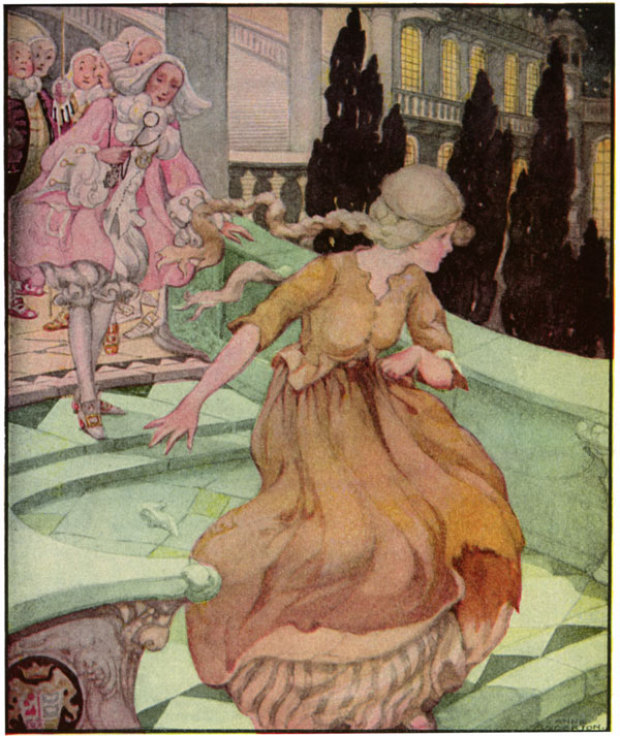
Cinderella, by Anne Andersonn

Serving Others

If the story of Cinderella teaches us anything, it’s that it is better to be served than to serve. Cinderella was rescued from a life of drudgery by her prince, who took her to live in the palace – where, presumably, other girls did exactly the same work that Cinderella had been doing in her home. And that’s the happy ending.

Things aren’t like that in the Kingdom of Heaven. Our ‘prince’ left the palace and came “not to be served, but to serve others, and to give his life as a ransom for many.” That’s our happy ending, and it’s also the example we’re to emulate.

It’s easy to feel put-upon, especially when family, church or work seems to be making a lot of demands on our time, and no one seems to recognise how busy or tired we are. It would be much easier to step back, relax and let other people do the serving. However, our God is a God who not only asks us to serve others, but who regards it as an act of worship. A poem by George Herbert, called The Elixir, says,

Teach me, my God and King,
In all things Thee to see,
And what I do in anything
To do it as for Thee.

A servant with this clause
Makes drudgery divine:
Who sweeps a room as for Thy laws,
Makes that and the action fine.

This week, when we get the opportunity to serve others, let’s take it as willingly as we can manage, and remember that it’s not just others we’re serving – it’s also Christ.

The Five Deadly Sins of Writers on Twitter

10 Feb

Before we get into this, I’d better be upfront: I joined Twitter because I am an author, and apparently it’s one of the absolutely essential things you have to do. Tweets drive traffic to your website and, so the theory goes, that increases sales of your books. I’ve yet to see the proof of this, but I stay on Twitter anyway because, annoying as it often is, it’s good for up-to-the-minute news, it’s sometimes funny, and you should see how much faster companies work to sort out your customer service queries when the details are on the web for everyone to see.

However, as a writer on Twitter I’ve become aware of the ways in which writers abuse this extremely abusable medium in a variety of irritating ways, so I thought I would have a little moan about it (which, naturally will increase sales of my books. Hmm.). Here are the five commandments for writers using Twitter.

bull horn

1) Don’t tweet about your book all the time.
I know that’s the reason you joined Twitter, but this isn’t a billboard or a TV screen for you to advertise on. It is, in a loose sense, a community. People follow you because they are interested in at least some of what you have to say. If the only thing you have to say is “Buy my product, buy my product!” they will very soon get tired and stop following you.

That’s not to say you can’t mention your wares at all, but keep a strict limit on it – one every ten tweets, say, or once every five if you absolutely must. In between times, find interesting things to say. If you can’t do that, the question is not “why are you on Twitter?” but “why are you a writer?”

Tweedledum and Tweedledee

2) Don’t only follow authors.

And don’t mainly follow authors, and especially don’t follow authors just because they’re authors. Yes, it might be nice to share the joys and sorrows of your profession with like-minded souls, but that’s not why you’re following them, is it? You’re following them because they’ll probably follow you back. And so they will, because they’ve read the same advice you have about building up your Twitter following to drive traffic etc. etc.

The problem with this logic is that they are not interested in your books! They are not going to buy them! They just want you to buy theirs. Do you plan on buying even one book from each author you follow on Twitter? No? Well use a bit of that writerly empathy to understand that the same applies in reverse, and stop trying to sell coal to coal miners.

BSZpsnx3) Don’t offer a follow for a follow or a like for a like.

For the same reason that you shouldn’t follow authors, hoping they’ll follow you back, please don’t say “follow me, I always follow back!” or “like my author page and I’ll like yours!” Anyone who follows you just to get followed, or likes your page just to get liked, is probably not really going to engage with your tweets or your webpage, and is almost certainly not going to buy your books.

It’s worse than that, though. To my mind, this kind of self-interested mutual back slapping is meaningless, pointless and vaguely incestuous. It’s also a little dishonest – a step down the road towards giving each other reciprocal positive reviews, regardless of what you thought of the book. Yes, you might get fewer page likes and follows if you refuse to play this game, but as we used to say on Team Starfish, “at least we kept our integrity.”

hard-sell-confused.com-0074) Don’t begin a relationship with a sales pitch.

If someone follows you on Twitter it’s nice to say “thanks for the follow” and it’s also nice to comment on some interest you may share. It’s not nice to say “Buy my book!”, “Visit my website!” or “Love me, love me, love me!”

Yes, I know that’s what you want in the long term, but take things at a steady pace and read the signals, ok? Think of it like meeting that special someone for the first time: it’s probably better to begin with “Nice to meet you” than to go straight in with “How many kids should we have?”

father ted5) Don’t give us the gory details.

This last one probably only applies to the writers of erotica, horror and especially gritty thrillers. You want to entice the inhabitants of Twitter to read your new masterpiece, so you give a short summary, and what better to include in those few characters than the most shocking and titillating bits?

Well, anything really. Twitter is public. Your followers may see it (although they may well not, but Twitter algorithms are a topic for another day) but so may anyone else in the whole Twittersphere. People with weak stomachs. People who’ve had traumatic experiences. People with strong moral views.

Although our culture sometimes seems saturated with violence and sex to the point where it’s no more shocking than a PG Tips advert, there are still plenty of people who don’t want to get wet. And don’t forget that, despite the popularity of things like Fifty Shades of Grey, there are still people who see erotica as being just as morally reprehensible as porn.

It’s entirely possible to provide a pretty good impression of what sort of book you’re plugging without giving it both barrels. Save that for your own website, where you’re likely to get a self-selecting bunch of people who actually like that kind of thing. In advertising your wares graphically on Twitter, you’re not gaining new readers so much as alienating potential followers.

And who knows, maybe followers are good for something other than buying our books? Maybe they have value in themselves as human beings. A radical thought, but one that, if embraced, might make us all more pleasant and charismatic members of the Twittersphere.

(By the way, if you do want to follow me on Twitter, for reasons other than sins #1 and #2, my handle is @kcmurdarasi.)

Why I am a writer, not an entrepreneur

5 Jan

This was going to be a post on Twitter, before I realised that I could never fit it into 140 characters. It was Twitter that kicked off this chain of slightly irritated thought, because it always seems to be full of advice for writers along the lines of “write for the market” and “think like an entrepreneur”. This, it seems, is the way to make it big as a writer. And maybe it is. I don’t know, and I probably never will know, because I can’t see myself ever following such advice.

“Many writers balk at this” said a recent article, telling authors that they should think like startup entrepreneurs trying to break into a crowded marketplace. Yup, definitely baulked – in fact, I felt my head draw away from the screen in a physical expression of how unpalatable I found that advice. You see, being an entrepreneur and breaking into a crowded marketplace doesn’t interest me at all. Here are a couple of other things that don’t interest me much: crime fiction and romantic fiction. Just not my cup of tea, generally speaking, but they dominate the bestsellers list. Therefore, as a good businesswoman, I should be writing them. Except clearly I shouldn’t because:

1) I wouldn’t enjoy writing them, and if you don’t enjoy what you do for a living, that’s a serious problem.

2) They wouldn’t be very good precisely because I’m not very interested in them and don’t enjoy writing them.

3) There are really enough of them out there already (in my opinion).

4) I have other things I want to write, that I actually care about, and that I would be prevented from writing if I just wrote the “marketable” stuff.

There’s a fifth reason that actually has nothing to do with my personal preferences, but springs from my experience as a writer:

5) You can’t actually tell what’s going to be successful and saleable.

I have sold stories that I didn’t think had much of a chance of finding a market, and I am still sitting on what seem to me much more saleable stories. Maybe this shows how bad an entrepreneur I am, without a decent understanding of my market, but I don’t think so. I think in the creative arts (yes, however humble, it’s an art) you just can’t tell what’s going to fly and what’s going to crash. I’m working on a novel at the moment about twins separated by civil war in ancient Rome. Maybe it will be amazingly successful and be translated into 50 languages, or maybe it will gather electronic dust inside my computer, but I have to write it because the characters are asking to have their story written, and no one else will write it if I don’t.

I don’t mean to insult writers who can produce dozens of popular, successful genre novels. If I enjoyed it, I would love to make a living out of producing a potboiler every year. I’m also not saying that writers (or other artists) should stick entirely to what they’re comfortable with. Some of my best work is produced when working to tight requirements or unusual limitations, for example when writing for competitions with a strict theme. It sharpens your creativity when you don’t have free rein in every area. But when you discover that you don’t like a certain genre or type of writing, and you’re not very good at it, I don’t think it’s good advice at all to continue writing that kind of stuff because it’s what the market demands.

If I wanted to make myself miserable for money, I would give up writing and get a proper job.

The Snow Queen – a winter’s tale

12 Dec

My latest work of beauty (indulge me) is an audio adaptation of Hans Christian Andersen’s The Snow Queen. It’s read by Sophie Aldred, who was Ace, the assistant in Dr Who when I was growing up, and who has a lovely, warm voice. But it’s also got a full cast of characters played by other actors, and sound effects, and even background music! What more could you want?

Everyone remembers the core of the Snow Queen – boy captured by evil queen, heart frozen, friend tries to get him back – but there’s so much more in it that you’ve probably forgotten. There are enchantments and danger and robbers, a real shortage of shoes, and even a talking reindeer!

In this adaptation, there’s plenty of drama and suspense, but also a lot of description to engage your senses and transport you to the frozen north and the Snow Queen’s palace. Not that you need to exercise much imagination, the weather we’re having at the moment.

It’s available from Word of Mouth Productions as a 65-minute MP3 download. Visit the website here, or play the video below to hear Sophie Aldred say nice things about my adaptation!

Beware of the Customers

29 Nov

My friend Jackie McLean is a fellow writer, who also used to run a pet shop. She had told me plenty of hilarious anecdotes about her workplace, so when we decided to do a blog swap (my question and answer post will appear on Jackie’s blog soon), I asked her to tell me some of the best stories from her shop:

You’d think running a pet shop was all about the animals, but often as not, during our six years of running our shop, it was the owners who took us aback.

Sometimes it was heart-breaking, like the old lady who was desperately ill but refused to go into hospital because there was nobody to look after her cat. A neighbour came to the shop for help, and we managed to arrange foster care for the cat.

Sometimes it was shocking, like the woman who ran into the shop with a cat under each arm, looking for pet carriers. She was fleeing domestic violence.

Sometimes amazing, like the builder who was sitting on scaffolding high up on a building, eating his lunch, when a cockatiel flew over to him. It sat beside him, turned its head towards him, and said, “Hello.” The builder said he almost fell off the scaffolding, but the bird stayed with him from then on.

We soon got used to some of the things people would say, such as:

“Do you have fat balls?”
“Have you got pigs’ ears?”

Or, the one we got the most frequently (upon picking up a bag of dog food), “What does this taste like?”

Sometimes, however, it just wasn’t possible to keep a straight face. When the wee old lady walked into the shop, and asked our assistant, “Where’s your nuts, son?” there was a pile-up on the floor as we laughed until it hurt.

One of my favourites was an older man who came in, telling us that his male pigeon was laying eggs. Breaking all the rules, I answered back, “No, he isn’t.” The man was insistent – his male pigeon was laying eggs. I tried to explain the basics of the underlying biology, but to no avail. His male pigeon was laying eggs. Definitely wasn’t a female. Couldn’t be – the breeder had said it was a male!

The pet shop was often a focal point for reporting strays and injuries. One day a group of schoolchildren piled in, traumatised to have seen a seagull knocked down by a taxi. The gull was badly injured and in its distress was flapping around all over the road, causing traffic mayhem. Word about the gull spread quickly, and I’ll never forget the sight of Allison charging out of the shop, armed with a box and a big net, and followed by the schoolchildren and several customers. Off they went, following the gull’s progress along the road (lots of squawking and yelling, and crowds began to gather), until it flew over a garden fence and managed to get inside a shed. Undaunted, our heroes…er…broke into the shed and retrieved the bird. Fortunately the shed owner was pleased to have unexpectedly helped in the rescue.

It’s the animals, however, who must have the last word. They constantly surprised us:

We bought in a group of piranha, and fascinated by their fearsome reputation, we were astonished when they all fainted! So shy are these creatures, that the appearance of a human face in front of their tank scared the living daylights out of them.

Sometimes they caused us panic:
We were cleaning out the rats’ cage, when a customer came in and asked us for some advice on fish food. We realised we hadn’t closed the cage properly, when we saw one of the rats casually climb out and drop onto the floor directly behind the customer’s feet. Helpless, we distracted the customer while the rat plodded by and into the back office. As soon as the customer left the shop, oblivious to the goings-on behind her, we locked up and raced through to the office to search for the rat. Fortunately it quickly gave away its whereabouts by noisily munching on the business accounts.

And sometimes we were left awestruck:
Frances the leopard gecko was a young lizard with particularly beautiful markings. But only days after arriving in the shop, she was missing from her vivarium. We hunted high and low, but there was no sign of her. The viv doors were properly locked, and when the rep from the reptile supplier showed us how easily the doors could be removed and that theft of reptiles was rife, we accepted that she had probably been stolen. Fast forward one full year. I was opening the shop one morning, and was reaching for the light switch, when I became aware of something long and stripey hurrying past my feet. Alarmed, we began a detailed search, and there behind the heated tropical fish tanks, was Frances the leopard gecko! She had kept herself fit and well on the loose in the shop for a year – hats off!

Jackie’s novel Toxic has recently been released by Thunderpoint Publishing. Just to warn you, though, it’s not about charming but poisonous geckos 800px-Juvenile-leopard-geckoor something. Instead it’s a gritty crime thriller, with a very nasty villain who does some very nasty things. In Jackie’s words, it’s “at least a 15 certificate”. Suitably warned, please feel free to buy the book from your bookshop of choice, or on Kindle, or pop across to Jackie’s blog to find out more about the Bhopal Disaster that inspired Toxic. A proportion of the profits will go to the Bhopal Medical Appeal.